
Why Crypto Wallet Trust Is Built on Transparency, Not Promises: The Challenge of Defining Trust in a Decentralized System
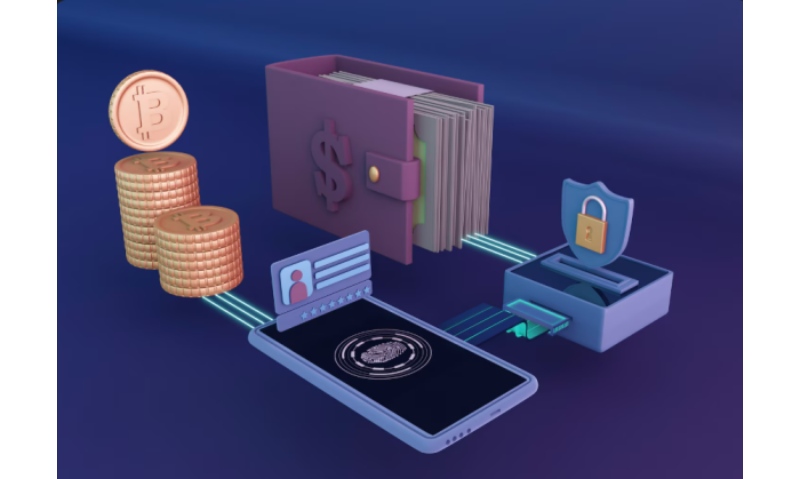
Trust has always been a complicated concept in cryptocurrency. Designed to remove reliance on centralized institutions, blockchain technology replaced intermediaries with code. Yet as crypto adoption has expanded, users have found themselves navigating a landscape filled with wallets, platforms, and tools that all claim to be secure, reliable, and trustworthy—often without a clear basis for comparison.
Unlike traditional finance, crypto does not operate under a shared custody or security framework. There is no universal authority certifying wallet safety, no standardized audit requirement, and no global rulebook defining best practices. As a result, trust in crypto storage is shaped less by formal guarantees and more by how transparently providers communicate their role and limitations.
Why Traditional Trust Models Fall Short in Crypto
In banking, trust is enforced through regulation, insurance, and institutional oversight. Customers expect protections because systems exist to enforce accountability. Crypto operates differently. Asset ownership is determined by access to private keys, not by account credentials or institutional records.
This structural difference makes traditional trust models difficult to apply. A wallet provider does not “hold” assets in the same way a bank does, particularly in self-custody systems. Instead, the provider offers software that enables users to interact with decentralized networks. The responsibility for access, security, and recovery often rests with the individual.
This reality has led to confusion, especially among newer users who may assume that all wallets function like traditional financial services.
The Growing Importance of Custody Awareness
Custody has become one of the most critical concepts in crypto ownership. Custodial platforms manage private keys on behalf of users, while non-custodial wallets place that control directly in the user’s hands. Each model carries distinct trade-offs.
Custodial solutions often emphasize convenience, offering account recovery options and simplified interfaces. However, they also introduce dependency. Access to assets may be affected by platform policies, technical issues, or regulatory actions.
In contrast, self-custody wallets prioritize ownership and autonomy. Tools such as eternl wallet enable users to manage their own keys and interact directly with blockchain ecosystems. While this approach aligns more closely with decentralization principles, it also requires a higher level of understanding and responsibility.
Why Transparency Matters More Than Security Claims
In the absence of standardized certification, transparency has become one of the strongest trust indicators in the wallet ecosystem. Users increasingly value clear explanations over broad assurances.
Transparent providers typically explain:
- How private keys are generated and stored
- What data the wallet does or does not collect
- What risks users are responsible for managing
- How updates and changes are handled
Rather than promising absolute security, these providers acknowledge uncertainty and emphasize informed usage. Industry analysts note that this honesty often builds stronger long-term trust than aggressive marketing language.
User Responsibility as a Security Factor
Security in crypto is not solely a technical matter. User behavior plays a critical role. Weak passwords, poor backup practices, and misunderstanding wallet functions can compromise even well-designed systems.
This has led to a growing emphasis on education within the crypto space. Wallets that provide accessible documentation and guidance help users navigate their responsibilities more effectively.
As users become more experienced, many begin to view security as an ongoing practice rather than a fixed feature. Trust is earned through consistent behavior, not assumed through branding.
An Evolving Definition of Trust
Crypto trust is increasingly defined by alignment rather than authority. Users seek tools that respect decentralization principles, communicate openly, and empower individuals rather than control them.
This shift reflects a broader maturation of the ecosystem. As users gain experience, they rely less on surface level claims and more on understanding how systems actually function.
In a decentralized financial environment, trust is not enforced by institutions. It is built through transparency, accountability, and informed participation.
Company Details
| Organization: eternl |
| Contact Person Name: tanya |
| Website: https://eternl-wallet.com |
| Email: eterl2067@gmail.com |
| Contact Number: +918583300221 |
| Address: lafayette, la, United States |
| City: lafayette, |
| State: la, |
| Country: United States |
