
Why a Growing Carrier Needs a Trucking Compliance Company Before Problems Surface
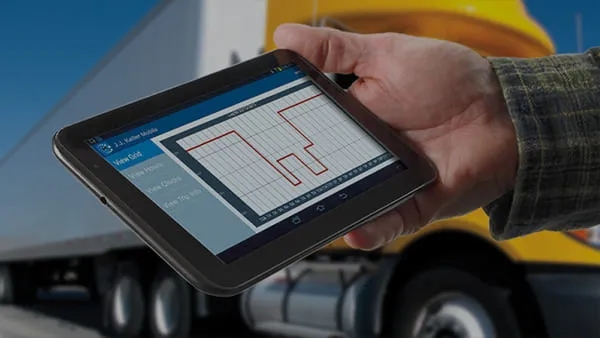
A single unexplained driving event can raise questions far beyond one driver’s shift. When records are incomplete or poorly managed, a routine inspection may become a wider review of the carrier’s safety controls.
That risk increases as a fleet grows.
A small operator may initially manage driver records, vehicle files, maintenance documents, and hours-of-service activity through spreadsheets and direct conversations. The system feels manageable because the owner knows every truck and driver personally.
Working with a trucking compliance company can introduce clearer procedures before additional vehicles, new routes, and several dispatchers make oversight more difficult. Without that structure, log issues wait longer for review. Supporting documents become harder to match. Responsibility shifts between employees without a clear record of who handled what.
Growth does not necessarily cause compliance failures. It exposes processes that already relied too heavily on memory.
A Log Correction Is More Than a Clerical Change
Federal rules recognize that legitimate mistakes happen. A driver may select the wrong duty status, miss a manual entry, or need to add information explaining an unusual event.
That is where ELD log edits become operationally important. A correction should clarify the record without hiding its history, changing automatically recorded driving time, or weakening the audit trail.
The difference matters.
Poorly controlled changes can make otherwise accurate records appear questionable. Repeated edits without explanations may suggest weak supervision. A manager who alters records without proper driver review can create another compliance concern while trying to solve the first.
Electronic logging systems are not digital erasers. They are structured records of activity.
A reliable process should show the original entry, the proposed correction, who made it, and any annotation explaining why the change was necessary. Drivers must also remain involved where certification or approval is required.
The goal is accuracy with accountability.
Why Informal Log Management Fails
Many carriers address record errors by phone or text.
A driver notices a problem and contacts dispatch. Dispatch forwards the message to an administrator. The administrator makes a note for later, but it gets buried under other work.
The correction may eventually happen. Its supporting explanation may not.
This approach creates several weaknesses. Conversations are difficult to connect with a specific log event. Verbal instructions leave little evidence. Screenshots sent through messaging apps may not become part of the carrier’s official records.
Then an inspector asks a straightforward question: Why was this entry changed?
Without a clear annotation and preserved edit history, the carrier may struggle to provide a confident answer. The issue is no longer the original mistake. It is the absence of a controlled response.
Paper-based backup processes bring similar problems. Handwritten documents may be necessary during certain equipment malfunctions, but they still require accurate reconstruction, secure retention, and later reconciliation with electronic records.
A temporary workaround should never become an undocumented parallel system.
Better Oversight Begins With Exceptions
Safety managers rarely have time to inspect every minute of every driver’s day. Nor should they.
Effective oversight focuses attention on exceptions: unidentified driving, missing certifications, unusual status changes, repeated form-and-manner errors, and activity that may conflict with supporting documents.
This approach changes the manager’s role. Instead of searching through routine records, the manager reviews the events most likely to require action.
Timing is critical.
An unexplained event is easier to resolve on the same day, while the driver remembers the trip and dispatch still has access to related details. A week later, the same event may require calls, fuel receipts, route histories, or vehicle records to reconstruct what occurred.
Delayed review increases administrative work. It also makes an honest correction harder to distinguish from a convenient explanation developed after the fact.
Real-time visibility closes that gap.
A Common Fleet Scenario
Consider a carrier with twelve trucks and a mix of company drivers and rotating relief drivers.
Early Monday, one vehicle records thirty minutes of movement not assigned to an operator. The safety system flags the event. The safety manager checks the dispatch schedule and learns that a mechanic moved the truck inside the yard.
The event receives the appropriate classification and an explanatory annotation.
Later, a driver realizes that a lunch break was entered under the wrong duty status. A correction is proposed, reviewed, and accepted through the proper process. Both the initial record and the adjustment remain visible.
By Wednesday, another driver has several recurring errors. Rather than silently correcting each entry, the manager recognizes a training issue and schedules a short review of duty-status selection.
One alert resolved an isolated event. A pattern prompted operational improvement.
Now consider the same week without structured monitoring. The yard movement remains unidentified. The lunch-break error survives until payroll or inspection review. The repeated mistakes continue because no one sees the connection.
The trucks still complete their routes. The underlying exposure quietly grows.
Compliance Technology Still Requires Human Judgment
An electronic logging device can record driving activity, create structured duty-status data, and make records easier to share during inspections. It cannot decide whether a pattern reflects confusion, poor training, dispatch pressure, or deliberate misconduct.
That responsibility remains with the carrier.
Managers need practical procedures to review exceptions, request corrections, document explanations, and escalate recurring problems. Drivers need training that explains not only which buttons to press but why accurate records protect their licenses, schedules, and livelihoods.
FMCSA also requires motor carriers to retain ELD records of duty status and backup data for six months. Records must be preserved in a way that protects driver privacy.
Compliance therefore depends on both technology and discipline. One cannot compensate for the absence of the other.
How LogSafe Supports Daily Control
LogSafe provides an FMCSA-certified electronic logging solution supported by compliance reporting, audit preparation, flexible record correction tools, and 24-hour multilingual assistance.
Its PT30 device connects through common commercial vehicle diagnostic ports and ships with access to a mobile system for managing driver records. Month-to-month service also allows carriers to adjust without entering a long-term contract.
The practical value lies in combining the device with ongoing support. When a driver encounters a logging problem at night, or a manager needs help interpreting a record, access to informed assistance can prevent a small issue from becoming an unresolved exception.
That support is especially useful for growing carriers whose internal compliance roles may still be developing.
Stronger Records Create More Defensible Operations
Carriers should not wait for an inspection notice to examine how they handle log corrections.
Fleet owners and safety leaders should determine who reviews exceptions, how quickly they address problems, whether drivers understand the correction process, and whether every change leaves a clear audit trail. Any answer that depends on private messages or individual memory signals unnecessary risk.
LogSafe offers carriers a practical way to strengthen daily logging controls while preparing for the scrutiny that accompanies growth. A conversation with its compliance team can help identify weak points in the current process and establish a more consistent approach before those weaknesses disrupt operations.
Company Details
| Organization: LogSafe US LLC |
| Contact Person Name: Tim A. |
| Website: https://logsafeus.com/ |
| Email: support@logsafeus.com |
| Contact Number: +15137669666 |
| Address: 282 E Kemper Rd Loveland, OH 45140, United States |
| Country: United States |
