
5 Nutritious Reasons for Including Basil in Every Meal
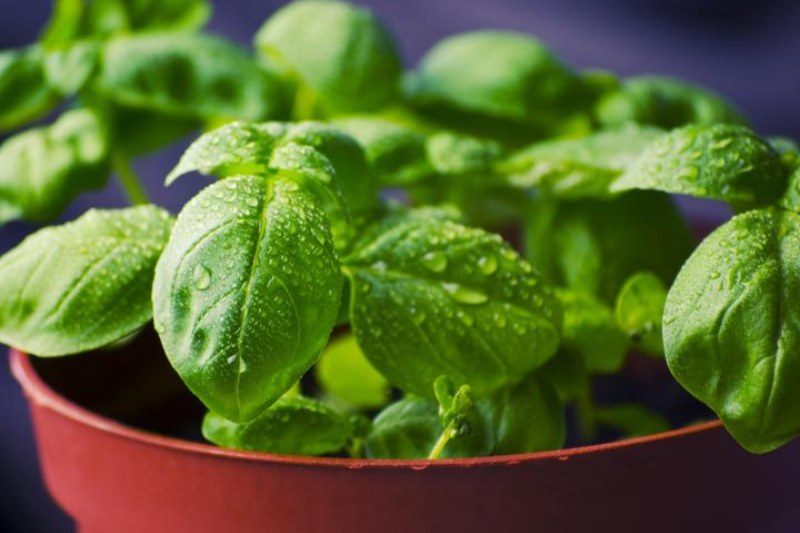
Many people consider basil to be one of the most popular herbs on the world because it adds a refreshing flavor and aroma to a variety of cuisines. Although basil can be used to improve the flavor of pasta, sauces, or salads, it can be utilized for much more. People are shocked to hear that a simple green leaf, weighing only a few grams, contains potent plant chemicals and nutrients that, when regularly consumed, support many bodily systems.
1. Reduces Inflammation
The high antioxidant content of basil also helps to reduce inflammation. Numerous phytonutrients, which are naturally occurring plant chemicals with health advantages, are found in basil. Many of these phytonutrients have anti-inflammatory and antioxidant qualities, such as polyphenols. By avoiding oxidative stress brought on by free radicals, which harm cells in ways associated with the development of diseases including cardiovascular disease and type 2 diabetes, antioxidants help lower inflammation.
2. Digestive Comfort
Cineole and estragole, two compounds present in basil leaves, have also been demonstrated to assist improve digestive comfort. When taken internally, these organic substances can alleviate indigestion, cramping in the stomach, and bloating. Basil not only enhances the taste of food but may also have calming effects on the digestive system. In addition to alleviating symptoms, basil may support a more balanced bacterial population in the digestive system, which is beneficial for general health.
3. Controls Blood Sugar
Including more basil in your meals is a smart idea if you have trouble controlling your insulin levels. Insulin sensitivity and normal blood sugar levels may be supported by basil.
4. Packed with Antioxidants
Basil’s high Oxygen Radical Absorbance Capacity (ORAC) score indicates that it contains a lot of eugenol, an antioxidant that helps the body fight off dangerous free radicals. Lower risk of chronic diseases, particularly heart disease, can be achieved by reducing oxidative stress, which is reflected in a higher ORAC score.
5. Outstanding Biochemical Source
Basil has biochemical response tools (plant parts) that include natural compounds (such eugenol) that act as powerful antioxidants. These compounds are then scattered throughout your body’s tissues in an attempt to shield you against oxidation and reduction. Basil can promote health and potentially minimize your risk of disease by reducing oxidation.
