
5 Easy Lifestyle Changes that can Help Prevent Cancer Early
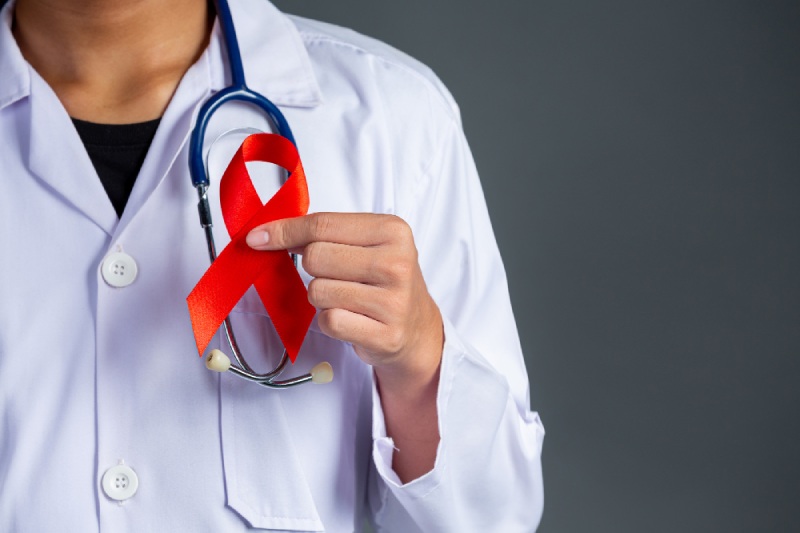
Cancer is no longer a disease that only affects the elderly. Doctors have noticed a concerning increase in cancer diagnoses among those under forty in recent years. It serves as a harsh reminder to the younger generation that prevention needs to start right away. These 5 simple, scientifically supported habits can help young people reduce their lifetime chance of developing cancer.
1. Move Daily
Frequent exercise lowers the risk of cancer by enhancing immunity, lowering inflammation, and preserving a healthy weight. Your risk can be considerably reduced with just 30 minutes of vigorous walking five days a week. Additionally, it controls hormones linked to the development of cancer, including as estrogen and insulin.
2. Limit Alcohol and Refuse Tobacco
Smoking is still one of the leading causes of cancer, and secondhand smoke is equally dangerous. Alcohol is known to cause cancer as well. Give up drinking and smoking, and cut back on or stop drinking altogether.
3. Consume a Rainbow Each Day
Vegetables and fruits with vibrant colors are rich in fiber, antioxidants, and phytonutrients that prevent cancer. These nutrients aid in the defense against free radicals, which can harm DNA and cause cancer. At least five servings should be consumed each day, so fill your plate with cruciferous veggies like broccoli and cauliflower, berries, leafy greens, tomatoes, and carrots.
4. Get Enough Sleep:
Your body’s capacity to heal itself and your immune system’s capacity to defend you will both be hampered by inadequate sleep. Every night, you should get seven to nine hours of good sleep. People who work night shifts or who suffer from chronic sleep deprivation are more likely to develop certain cancers, such as breast and prostate cancer.
5. Adaptively Handle Stress:
Prolonged stress impairs immunity and exacerbates inflammation, two factors that are linked to the development of cancer. Practicing mindfulness, yoga, journaling, or therapy can reduce overall risk and increase emotional resilience.
