
Galen M. Hair and Insurance Claim HQ Walk Homeowners Through the Steps That Protect Their Claim After a Storm
Key Takeaways
- Insurance Claim HQ says the actions homeowners take in the first hours and days after storm damage determine the strength of their insurance claim far more than most families realize.
- Every property responds to a hurricane differently based on construction, roof systems, age, and maintenance history, which means thorough individual documentation is essential.
- Insurance Claim HQ advises homeowners to photograph everything, make only temporary repairs, preserve damaged materials, keep every receipt, and understand their rights before giving a recorded statement or accepting a settlement offer.
The hours after a hurricane passes are chaotic. Trees are down, water is inside the house, and the instinct is to start cleaning up as fast as possible. That instinct, while understandable, is where many homeowners unknowingly damage their own insurance claim. The decisions made in the first 48 hours after a storm have an outsized effect on whether a claim gets paid in full, reduced to a fraction of the actual loss, or denied outright.
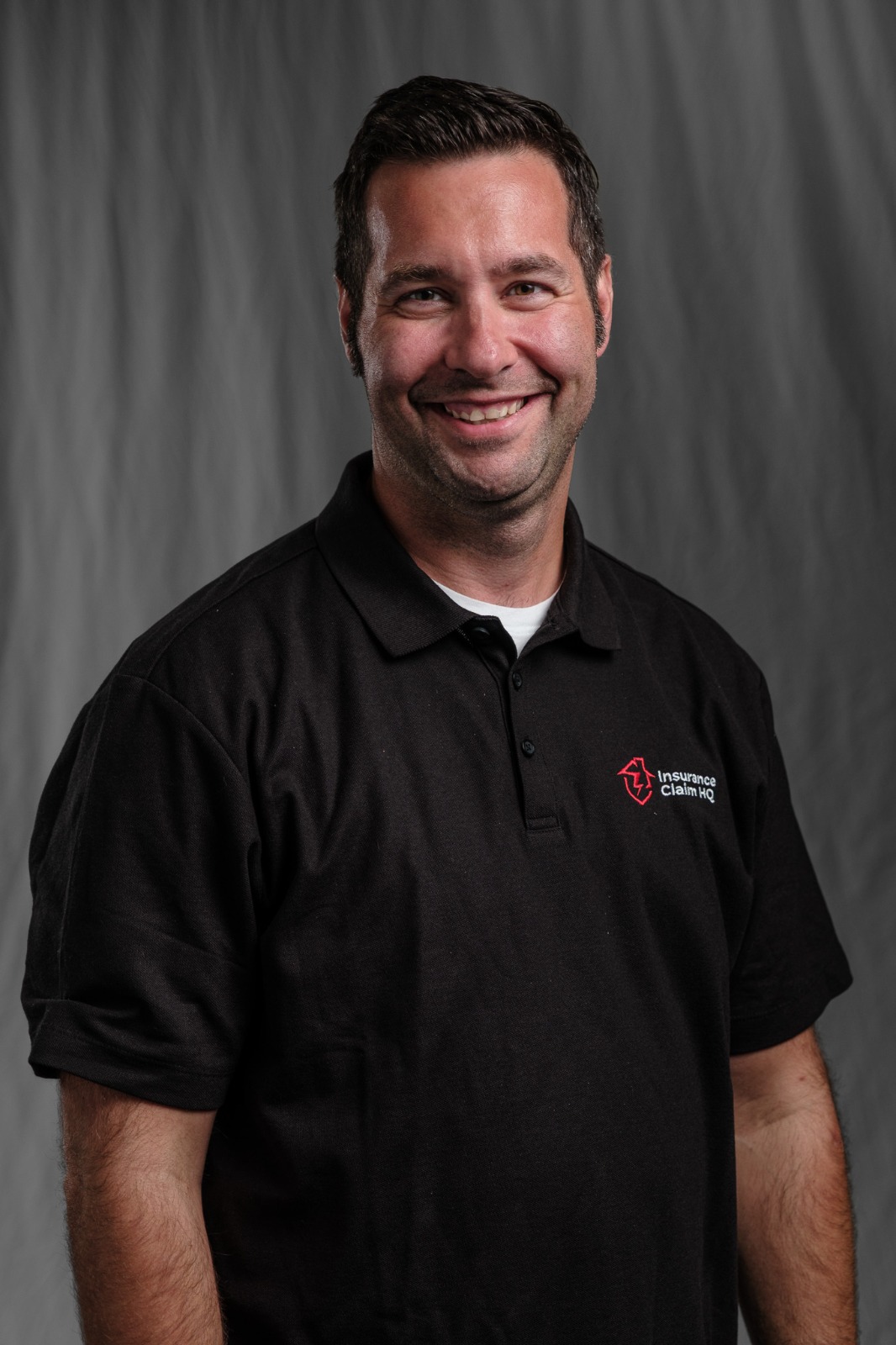
Galen M. Hair, founder and managing partner of Insurance Claim HQ, has guided thousands of policyholders through this process since founding the firm in 2020. According to a 2024 Weiss Ratings study, 42% of homeowners insurance claims nationwide were closed without any payment. Galen’s team sees firsthand how many of those outcomes trace back to avoidable missteps made in the immediate aftermath of a storm, before the homeowner ever spoke with an adjuster.
Document Everything Before You Touch Anything
The single most important step after storm damage is documentation, and it needs to happen before any cleanup begins. Photograph and video every affected area of the property, inside and out. Capture the roof, ceilings, walls, flooring, windows, electrical panels, HVAC systems, and any personal belongings that sustained damage. Wide shots establish context. Close-ups capture detail. Both matter when an insurer is evaluating the claim months later.
One of the most common misconceptions about hurricane damage is that nearby homes should show similar results. In practice, construction quality, roof age, maintenance history, and structural design all influence how a property performs during severe weather. Two houses on the same street can sustain vastly different damage from the same storm. Evaluating a claim based on assumptions or comparisons with neighboring properties overlooks the specific vulnerabilities of an individual home. That is why every property needs its own thorough documentation, taken before repairs begin and before damaged materials are removed.
Temporary Repairs Only and Keep Every Receipt
After documenting the damage, homeowners should make temporary repairs to prevent further loss. Tarping a damaged roof, boarding up a broken window, or extracting standing water all qualify. These steps show the insurer that the homeowner took reasonable action to mitigate additional damage, which most policies require. Permanent repairs should wait until the insurance company has had the opportunity to inspect. A homeowner who replaces a roof or guts a flooded room before the adjuster arrives may find the insurer questioning whether the damage was as severe as claimed.
Every dollar spent on temporary repairs, mitigation, and emergency services should be tracked with receipts. Tarps, plywood, generators, hotel stays, emergency plumbers, and water extraction crews all represent out-of-pocket expenses that the policy may reimburse. Without receipts, those costs become difficult to recover. Galen advises homeowners to create a dedicated folder, physical or digital, the day after the storm and drop every receipt into it as expenses occur.
Know Your Rights Before the Adjuster Sets the Terms
Reporting the claim promptly matters, but how a homeowner communicates with the insurer matters just as much. When filing, stick to the facts: the date of the storm, the type of damage observed, and the areas of the home affected. Avoid speculating about causes or offering estimates. Anything volunteered during that initial report can be referenced later if the insurer looks for reasons to limit the payout.
Insurers frequently request recorded statements during the claims process. Homeowners are often caught off guard by this and agree without understanding what the statement will be used for. A recorded statement locks the homeowner into a specific account of events. If any detail conflicts with other documentation, the insurer gains grounds to challenge the claim. Galen’s firm advises every homeowner to understand their rights and consult with an attorney before providing one.
Then comes the adjuster’s estimate. The first offer from an insurance company is rarely the final number, and it is often far below the actual cost of repairs. Adjusters may take surface-level photos, undercount damaged areas, or apply depreciation that reduces the payout significantly. Homeowners should review every line of the estimate and compare it against contractor quotes for the same scope of work. Accepting a lowball offer without scrutiny is one of the most expensive mistakes a family can make after a storm.
“Navigating the complexities of insurance can be overwhelming, but with the right guidance, claimants can level the playing field,” Galen says.
Insurance Claim HQ offers free case evaluations and publishes educational videos and its Picking Up the Pieces guide to help homeowners protect their claim from day one. The firm’s storm damage resource center provides step-by-step guidance for families navigating the process on their own. Every home tells a different story after a hurricane, and the families who document that story thoroughly from the start are the ones who recover what they are owed.
About Insurance Claim HQ
Insurance Claim HQ is a premier property casualty insurance law firm powered by Hair Shunnarah Trial Attorneys and headquartered in Metairie, Louisiana. With hundreds of millions recovered for thousands of clients, the firm brings years of legal experience and unmatched insight into how insurers operate. Discover how they fight for policyholders at www.insuranceclaimhq.com
