
Oura Introduces Proprietary AI Model to Advance Women’s Health Tracking
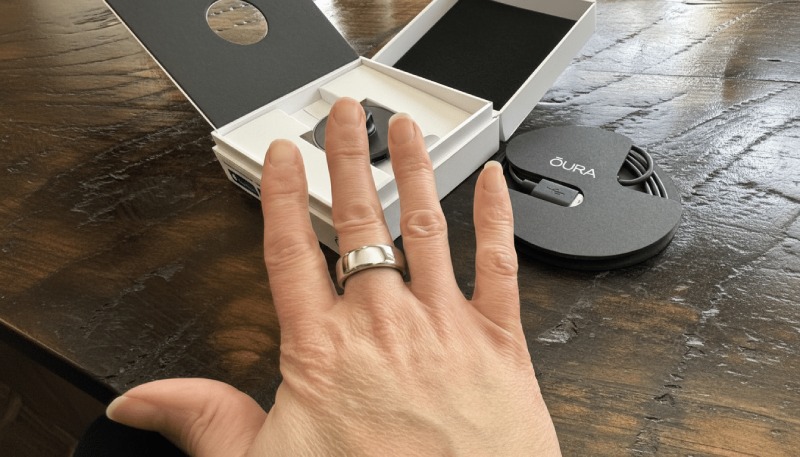
Oura announced on Tuesday that it is unveiling its first unique AI model to allow its AI chatbot, Oura Advisor, to provide individualized insights on women’s health. According to the business, the model can answer inquiries about every aspect of reproductive health, from early menstrual cycles to menopause.
The new model is being released in Oura Labs, the company’s opt-in experimental feature hub within the Oura app.
Oura claims that the new model is based on proven medical standards, research, and knowledge sources vetted by its in-house team of board-certified clinicians and women’s health experts. It also uses biometric data and long-term trends to deliver personalized guidance.
As individuals increasingly rely on AI chatbots for health advice ranging from cycle changes to perimenopause symptoms, Oura believes there is a need for models tailored specifically to women.
“This custom model is a fundamental shift in how we responsibly deploy AI in health to meet the needs of our members,” said Ricky Bloomfield, MD, chief medical officer at Oura, in a press release. “Women’s health is too complex—and too often overlooked—to rely on one-size-fits-all systems. By designing a model specifically for women and grounding it in trusted clinical science and real-world biometric data, we’re setting the standard for how responsible intelligence should be built and expanded across more areas of health, pairing rigorous science with the lived, longitudinal data that makes Oura uniquely powerful.”
The introduction of the new women’s health AI model comes after Oura Chief Commercial Officer Dorothy Kilroy told TechCrunch in October that the company’s fastest-growing user category isn’t gym rats, but women in their early twenties.
When a user asks Oura Advisor a question on women’s health, the chatbot directs the new model to resort to its research and knowledge sources while also assessing the user’s relevant physiological signals, including sleep, activity, cycle, and pregnancy data, as well as stress and other factors.
The company argues that the new model is purposely designed to be non-dismissive, soothing, and emotionally supportive. However, it is not intended to be a doctor, and users should not use the chatbot for diagnosis or treatment planning.
Oura says that the concept is wholly housed on Oura-owned infrastructure, and that discussions are never shared or sold.
Users who want to use the new model can sign up for Oura Labs by selecting the drop-down option in the upper-left corner of the Oura app.
