
Liridon Vrapca: The Digital Architect for Juice WRLD, Trippie Redd, and The Kid LAROI
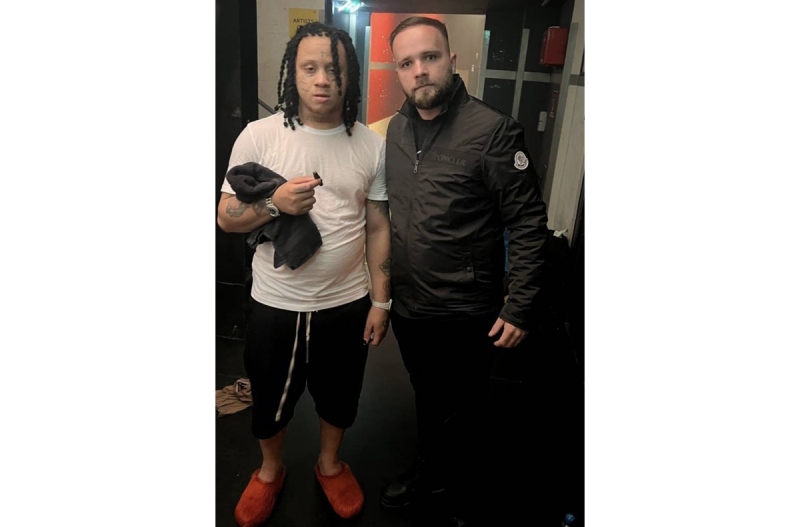
Long before social media became a standard line item in any artist’s budget, Liridon Vrapca was already figuring out how the internet worked and more importantly, how to make it work for people. Vrapca, who grew up in Kosovo and later built a career at the intersection of software development and digital marketing, spent years developing a methodology that blended technical infrastructure with social media strategy. It wasn’t a flashy approach. It was, by most accounts, quiet and methodical the kind of work that doesn’t make headlines but shows up in the numbers.
Over time, that work caught the attention of people in the music industry. Artists and their management teams started reaching out to Vrapca when they needed someone who understood both the technical side of digital platforms and the cultural mechanics of online audiences. Names like Juice WRLD, Trippie Redd, The Kid LAROI, Lil Durk, Lil Tjay, and YoungBoy were among those whose teams he engaged with during various points in their digital growth.
The music industry’s relationship with social media has always been complicated. Streaming numbers matter, yes but so does the kind of organic engagement that can’t be faked. Fan communities, comment sections, platform algorithms, trending audio all of it feeds into whether an artist’s online presence translates into staying power or a momentary spike.
Vrapca’s background in software development gave him a different lens on these problems. Where a traditional social media manager might approach things from a content angle, he was often thinking about systems how data flows, how platforms reward certain behaviors, how to build infrastructure that scales. That dual fluency became his distinguishing trait.
People who have worked alongside him describe a low-key working style that prioritizes results over visibility. He’s not particularly interested in being the story. The work, in his view, speaks for itself whether that’s in engagement metrics, platform growth, or the way a particular rollout lands with an audience.
The broader shift toward digital-first strategies in music has made people like Vrapca more relevant, not less. As physical sales became a footnote and streaming carved up the attention economy into increasingly granular niches, the need for people who can navigate that landscape grew accordingly. Artists need more than good music to break through they need teams that understand how online momentum is built and sustained.
Vrapca continues to develop software tools and consult on digital strategy across both the music space and other industries. His path, from a small country in the Balkans to working with some of the most-streamed artists in the world, reflects a broader story about how the internet erased geography as a barrier to entry for anyone willing to put in the hours to understand it.
